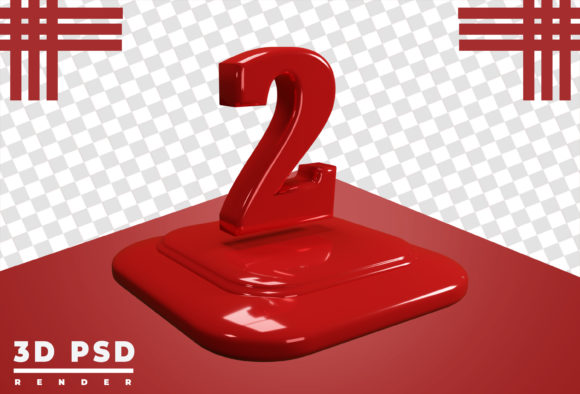
3d Logo Number 2 Template: A Practical Evaluation for Digital Creators
In the competitive landscape of digital marketing and creative design, presentation is often as critical as the product itself. For professionals selling physical goods such as canvas prints, framed artwork, or custom merchandise, the gap between a flat digital file and a tangible, lifestyle-ready image can be significant. This is where high-quality mockup templates become indispensable tools in a designer’s workflow. One specific asset that has garnered attention for its utility and ease of use is the 3d Logo Number 2 Template. While the name suggests a focus on numerical branding, its underlying mechanics offer broader applications for showcasing visual art in realistic interior settings.
This evaluation explores the functional capabilities, technical specifications, and practical applications of this template. By examining how it integrates into existing workflows, we can determine whether it serves as a valuable resource for freelancers, small business owners, and content creators looking to elevate their online presence without investing in expensive 3D rendering software.
Understanding the Core Concept
The 3d Logo Number 2 Template is designed primarily as a presentation tool rather than a final design asset. Its primary purpose is to allow users to visualize how their two-dimensional artwork looks when displayed in a real-world environment. Specifically, it simulates a framed canvas print within an interior space, providing context that helps potential buyers understand scale, texture, and aesthetic fit.
For entrepreneurs running online shops on platforms like Etsy, Shopify, or personal blogs, static images of art files are rarely enough to drive conversions. Customers need to see how a piece complements a living room wall or an office desk. This template bridges that gap by offering a photorealistic preview. The "Number 2" designation typically refers to a specific composition or frame style within a series, often characterized by clean lines and a modern aesthetic that suits contemporary interiors.
Technical Specifications and Usability
From a technical standpoint, the template is distributed as a layered Photoshop PSD file in JPEG format compatibility, though the working file remains editable within Adobe Photoshop. This choice of format is standard for professional mockups, ensuring broad accessibility for users who already have access to Creative Cloud software.
The most significant feature of this template is its implementation of smart-object layers. Smart objects are non-destructive elements that allow designers to replace placeholder images with their own artwork while automatically preserving effects such as shadows, lighting, perspective, and texture mapping. When you double-click the smart object layer thumbnail, it opens in a new window. You can then paste your image, save the changes, and return to the main document to see the result instantly.
This process is notably efficient. Unlike manual warping or perspective correction techniques that require trial and error, the 3d Logo Number 2 Template handles these adjustments algorithmically. The frame and canvas automatically adjust to the size and ratio of the inserted artwork. Whether your image is portrait, landscape, or square, the template adapts to maintain realism. This consistency reduces the time spent on post-production tasks, allowing creators to focus more on the actual design work.
Strengths in Real-World Application
When evaluating the effectiveness of any design asset, reliability and output quality are paramount. In this regard, the template demonstrates several key strengths:
- Seamless Integration: The automatic adjustment to image ratios means that users do not need to manually tweak masks or blend modes for every new project. This is particularly useful for businesses that upload multiple variations of a single design.
- Realistic Textures: The mockup includes subtle details such as canvas weave texture and frame depth. These micro-details contribute to the perceived value of the product being sold, making digital files appear more tangible and premium.
- Versatility Across Platforms: Because the output is a high-resolution image, it can be used across various mediums. It works equally well for social media posts on Instagram or Pinterest, where visual appeal drives engagement, as well as for e-commerce product pages where clarity and detail influence purchase decisions.
- Educational Value: For educators and bloggers, using such templates allows them to demonstrate concepts visually. A teacher explaining color theory or composition can show students how their theoretical work might look in a practical setting, enhancing the learning experience.
Ideal Use Cases and Target Audience
While the template is named for logos and numbers, its application extends far beyond typography. The following groups will find the most value in this resource:
Digital Artists and Print-on-Demand Sellers
Creators who sell prints, posters, or canvas art benefit immensely from showing customers how the item looks in a home. The 3d Logo Number 2 Template provides a neutral yet stylish backdrop that lets the artwork remain the focal point. This is crucial for reducing buyer hesitation, as customers can better visualize the product in their own spaces.
Branding Professionals
For freelancers and agencies presenting brand identity packages, showing a logo on a physical medium adds weight to the proposal. Displaying a number-based logo or a numeric brand element on a framed canvas can illustrate versatility and longevity. It moves the brand identity out of the abstract realm and into a concrete, memorable format.
Social Media Managers
Content creators who need to maintain a consistent aesthetic across their feeds can use this template to create uniform product shots. Instead of taking photos of physical prints—which requires lighting setups, backdrops, and editing time—creators can generate studio-quality images digitally. This scalability is essential for maintaining regular posting schedules without burning out.
Potential Limitations and Considerations
No tool is without its constraints, and understanding the limitations of the 3d Logo Number 2 Template is important for setting realistic expectations.
Firstly, the template is locked to a specific frame style and interior setting. If a user’s brand aesthetic is rustic, vintage, or highly minimalist in a different way, the provided background may not align perfectly. While the background can be replaced with advanced Photoshop skills, doing so defeats the purpose of a quick, automated mockup. Users must assess whether the current interior style matches their target audience’s preferences.
Secondly, the quality of the final output depends heavily on the resolution of the source image. Since the smart object scales the image to fit the canvas, low-resolution inputs will result in pixelated or blurry mockups. Designers must ensure their original artwork is exported at a high enough DPI (dots per inch) to look sharp when printed.
Finally, reliance on Adobe Photoshop is a barrier for some hobbyists or beginners who may only use free or mobile-based design tools. While the template is powerful, it requires a subscription to Adobe’s ecosystem. However, for the target audience of serious hobbyists and professionals, this is a standard requirement rather than a drawback.
Conclusion
The 3d Logo Number 2 Template stands out as a practical, efficient solution for designers and marketers seeking to enhance the presentation of their visual assets. By leveraging smart-object technology, it eliminates the tedious manual labor associated with creating realistic mockups, allowing for rapid iteration and consistent branding.
Its ability to adapt to various image sizes and ratios makes it a flexible tool for diverse projects, from showcasing canvas prints to displaying logo designs in lifestyle contexts. While it requires Adobe Photoshop and a compatible aesthetic preference, the time saved and the professional polish added to presentations make it a worthwhile addition to any creative toolkit. For those looking to bridge the gap between digital creation and physical perception, this template offers a reliable, high-value path forward.