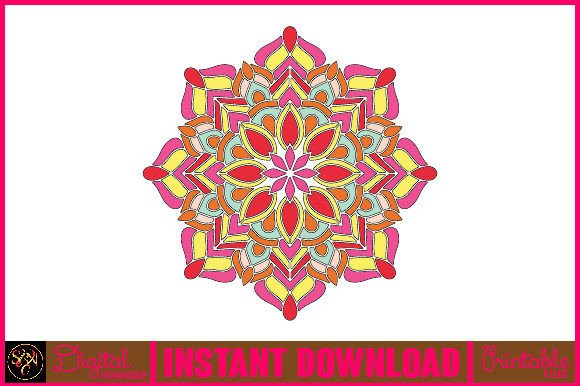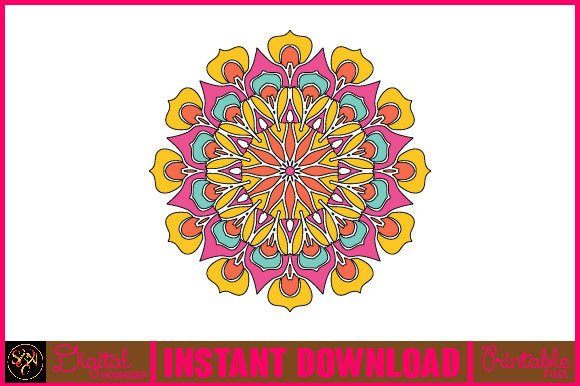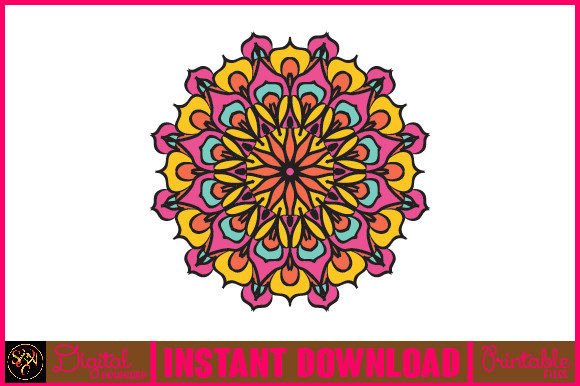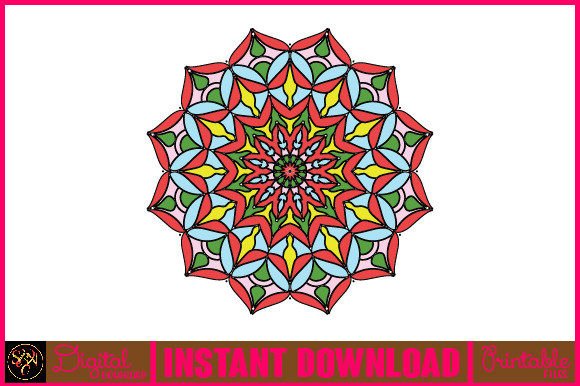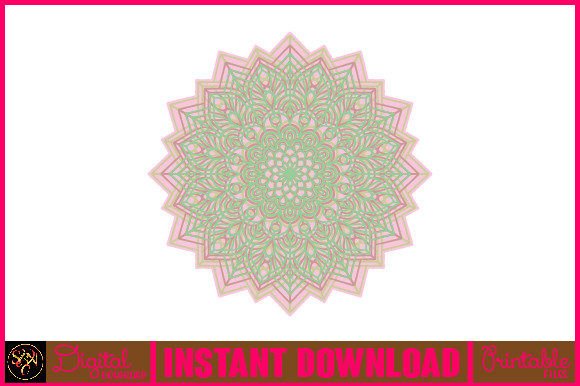
Mandala 3D Layered SVG Cut File-137: A Practical Guide to Integration and Execution
In the landscape of digital asset management and creative production, the distinction between a static image and a functional design file is critical. Mandala 3D Layered SVG Cut File-137 represents a specific intersection of aesthetic complexity and technical utility. It is not merely a decorative graphic; it is a structured vector asset designed for precision cutting, scalable printing, and multi-platform deployment. For professionals ranging from small business owners and freelancers to educators and hobbyists, understanding how to integrate this specific file type into existing workflows can significantly reduce friction in production cycles.
The core value of Mandala 3D Layered SVG Cut File-137 lies in its layered architecture and vector-based formatting. Unlike raster images that degrade when scaled, this SVG (Scalable Vector Graphics) file maintains crisp edges at any resolution. The "3D Layered" designation implies that the design contains distinct visual planes, allowing for depth effects or selective coloring without manual tracing. This makes it an ideal candidate for high-volume production environments where consistency and speed are paramount.
Technical Specifications and Asset Management
Before initiating any creative project, proper asset preparation is the foundation of efficiency. Mandala 3D Layered SVG Cut File-137 is distributed as a comprehensive ZIP package containing four distinct file formats: one EPS file, one SVG file, one JPG file, and one PNG file. Each format serves a specific role in the production pipeline, and selecting the correct file for the correct task is essential for quality control.
- SVG File: This is the primary working file for most digital workflows. Because it is vector-based, it allows for non-destructive editing. You can resize the mandala for a large banner or shrink it for a social media avatar without losing fidelity. It is also the preferred format for cutting machines like Cricut or Silhouette, which read vector paths to execute precise cuts.
- EPS File: Encapsulated PostScript files are industry standards for professional printing. If you are sending designs to a commercial printer for large-format output, such as banners or wall murals, the EPS file ensures that color profiles and vector data remain intact. It is particularly useful for integrating the mandala into complex layouts in Adobe Illustrator or CorelDRAW.
- PNG and JPG Files: These raster formats serve as fallbacks for platforms that do not support vectors or for quick previews. The PNG file, ideally with transparency, is crucial for overlaying the mandala onto other backgrounds, such as t-shirt mockups or website headers. The JPG file provides a compressed version suitable for web thumbnails or low-bandwidth contexts.
Organizing these files immediately upon download is a practical first step. Create a dedicated folder structure labeled by project type—such as "Apparel," "Stationery," or "Digital Marketing." This prevents version confusion and ensures that the correct asset layer is selected during execution.
Integration into Physical Production Workflows
One of the most robust applications of Mandala 3D Layered SVG Cut File-137 is in physical merchandise creation. The design’s tribal ornamentation and colorful aesthetic make it highly versatile for apparel and accessories. However, successful integration requires attention to substrate compatibility and print methods.
For apparel manufacturing, such as t-shirts, hoodies, and canvas bags, the SVG file is the optimal starting point. When using Direct-to-Garment (DTG) printing, the vector data ensures sharp details on fabric textures. For screen printing, the layered nature of the file may require separation of colors depending on the desired effect. Designers should open the SVG in vector software to isolate specific layers if a two-color print is preferred over a full-color gradient. This pre-planning stage reduces material waste and rework.
In the realm of cutting and die-cutting, the file’s name explicitly references its suitability for cut files. When loading the SVG into cutting software, users must ensure that the layer order corresponds to the intended stacking or vinyl application process. The 3D effect is often achieved by applying different colored vinyls to different layers. Precision in alignment during the weeding and transfer process is vital to maintaining the illusion of depth. Testing a single cut on scrap material before committing to expensive substrates like heat-transfer vinyl or cardstock is a standard best practice.
For stationery and paper goods, including notebooks, posters, and stickers, the EPS and SVG files provide the necessary resolution for fine line work. Sticker production, in particular, benefits from the clean vector edges, ensuring that the intricate tribal patterns do not bleed or blur during the die-cutting phase. Users can batch-process multiple sticker sizes from the same source file, streamlining inventory management for small businesses selling custom stationery.
Digital Deployment and Brand Consistency
Beyond physical products, Mandala 3D Layered SVG Cut File-137 serves as a potent tool for digital branding and content creation. In an era where visual consistency across platforms drives engagement, having a high-quality, scalable asset simplifies the marketing workflow.
When designing social media banners or fliers, the SVG file allows designers to adapt the mandala to various aspect ratios—from Instagram stories to LinkedIn cover photos—without pixelation. The colorful nature of the design can be used as a background element or a focal point. By utilizing the transparent PNG version, marketers can overlay text directly onto the mandala while maintaining readability. This is particularly effective for promotional graphics where the visual hierarchy must guide the viewer’s eye to a call-to-action.
For educators and bloggers, this asset can enhance learning materials and blog posts. A hand-drawn mandala adds a touch of organic warmth to digital presentations or downloadable worksheets. The ability to recolor the SVG elements allows for customization based on thematic needs, such as aligning the color palette with a specific lesson plan or brand identity. This flexibility supports a more personalized approach to content delivery, fostering better engagement with the audience.
Quality Control and Long-Term Usability
Sustainable creative practices involve considering the long-term usability of assets. Mandala 3D Layered SVG Cut File-137 is packaged for instant download, but its value increases when integrated into a systematic archive. Professionals should document the source of the file, licensing terms, and any modifications made. This documentation is crucial for compliance and for future reference when similar projects arise.
Compatibility checks are another vital component of the workflow. Before finalizing a project, verify that the target platform or printing service accepts the chosen file format. While SVG is widely supported in modern design software, some legacy systems may require conversion to PDF or AI formats. Similarly, when preparing files for online marketplaces, ensure that the resolution meets their specific upload requirements to avoid automatic downscaling, which can compromise the integrity of the 3D layered effect.
Furthermore, consider the versatility of the design for cross-promotional campaigns. A mandala that works well on a mug can often be adapted for a tote bag or a digital wallpaper with minimal adjustment. By treating Mandala 3D Layered SVG Cut File-137 as a modular component rather than a one-off decoration, creators can maximize the return on investment for the asset. This approach encourages experimentation and innovation within established constraints.
Conclusion on Implementation
The effective use of Mandala 3D Layered SVG Cut File-137 hinges on understanding its technical properties and aligning them with specific project goals. Whether the objective is mass-producing branded merchandise, enhancing digital marketing materials, or creating educational resources, the layered vector format offers unparalleled flexibility. By adhering to best practices in file organization, format selection, and quality control, users can seamlessly integrate this asset into their workflows. The result is a streamlined production process that yields high-quality, consistent outputs across both physical and digital mediums. For those encountering challenges during implementation, reaching out for clarification ensures that the creative vision is realized without unnecessary delays.