3D Cat Head Pattern
The visual landscape of digital design is constantly shifting, moving away from flat minimalism toward textures that offer depth and tactile appeal. Among the trending assets in this space is the 3D Cat Head Pattern. This specific graphic asset is not merely a cute illustration; it is a versatile texture file designed for high-impact visual applications. For designers, marketers, and hobbyists alike, understanding how to leverage this pattern can transform a standard project into something with professional polish.
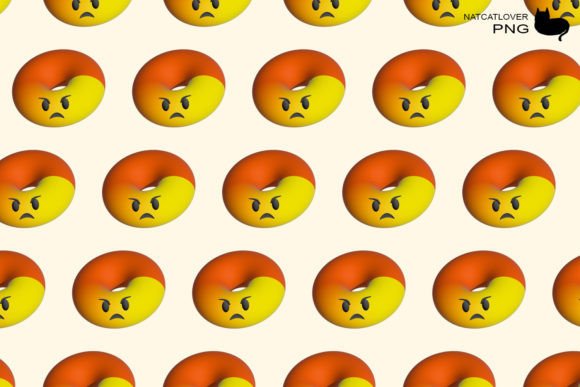
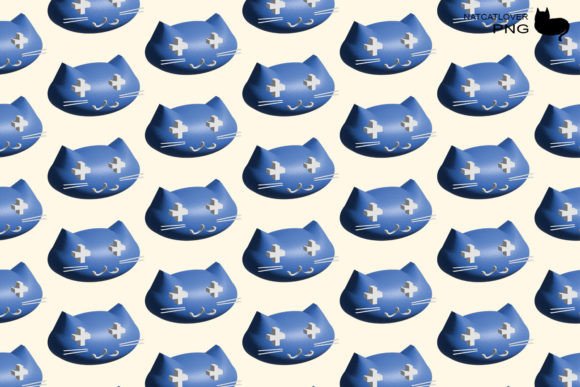
At its core, this asset is a seamless or repeating geometric arrangement featuring three-dimensional representations of feline heads. The "3D" aspect implies shading, lighting, and perspective that make the cats appear to pop off the screen or page. Whether you are looking to create a playful background for a website or a cohesive look for merchandise, knowing what you are getting—and how to use it—is crucial. The provided zip file contains a high-resolution PNG with a transparent background (4000×4000 px) alongside a PDF guide, ensuring you have both the visual power and the technical instructions needed for success.
What Exactly Is This Asset?
Before diving into applications, it helps to define the technical specifications. A 3D Cat Head Pattern typically consists of a tiled layout where cat faces are arranged in a structured grid or organic flow. The key feature here is the transparent background. This means the white or colored box surrounding the image in your browser is removed, allowing the pattern to blend seamlessly over any base color or image you choose.
The resolution of 4000×4000 pixels is significant. In the world of digital graphics, this falls into the category of high-definition print quality. It allows for scaling without the pixelation that often ruins lower-quality assets. This makes it suitable for everything from mobile app icons to large-format banners. The inclusion of a list of contents in the PDF ensures that users can quickly navigate the file structure, saving time during the busy workflow of a creative project.
Why Different Audiences Care
Not everyone approaches a graphic asset with the same goals. A freelance graphic designer values vector-like scalability and clean edges, while a small business owner might care more about brand consistency and cost-effectiveness. Here is how different groups might evaluate the value of this pattern.
- Graphic Designers & Artists: You likely care about the alpha channel. A true transparent background allows you to layer the pattern over gradients, photos, or solid colors without ugly white boxes. The 4000px width gives you room to experiment with scale—making the cats tiny and subtle, or large and bold.
- Social Media Managers: Engagement is key. Visuals that stand out in a feed get clicks. A 3D pattern adds texture to otherwise flat posts. Using this as a background for quotes, announcements, or product showcases can increase dwell time on your content.
- E-commerce Entrepreneurs: If you sell pet-related products, stationery, or home decor, this pattern offers a ready-made aesthetic. It saves hours of custom illustration work and provides a consistent brand identity across packaging and web stores.
- Hobbyists & Crafters: For those who engage in DIY projects, scrapbooking, or crafting, having a high-res file means you can print exactly what you need, when you need it, without worrying about blurry prints.
Practical Applications Across Industries
The versatility of the 3D Cat Head Pattern lies in its adaptability. Because it is a pattern rather than a single isolated icon, it works best when used as a texture or backdrop. Below are practical examples of how this asset can be utilized in various contexts.
Digital Products and Web Design
Websites today rely heavily on visual hierarchy. Using the 3D Cat Head Pattern as a section background can break up text-heavy pages. Imagine a blog post about pet care where the sidebar features a subtle, low-opacity version of this pattern. It adds personality without distracting from the reading experience. For landing pages, a full-screen hero section with this pattern, overlaid with a semi-transparent dark layer and white text, creates a modern, immersive feel.
Furthermore, because the background is transparent, you can place the pattern behind UI elements like buttons or cards. This creates a "glassmorphism" effect if combined with blur filters, a popular trend in contemporary interface design.
Printed Materials and Merchandise
The 4000×4000 px resolution is robust enough for most print-on-demand services. This opens up opportunities for physical products:
- Wrapping Paper: Create custom gift wrap for cat lovers. The repeating nature of the pattern ensures no awkward gaps when wrapping gifts of varying sizes.
- Textiles: Use the pattern for fabric printing on tote bags, t-shirts, or scarves. The 3D style stands out well on cotton and polyester blends.
- Stationery: Design notebooks, planners, or sticky notes. A patterned cover immediately signals a niche audience, making these items attractive as gifts or office supplies.
- Wall Art: Frame large sections of the pattern for a gallery wall. The transparency allows you to adjust the contrast and brightness to match interior decor themes, from minimalist Scandinavian to vibrant maximalist styles.
Marketing and Branding
Brands often struggle with maintaining visual consistency across platforms. A unique pattern acts as a signature element. By applying the 3D Cat Head Pattern to email headers, presentation slides, or business cards, a company can create a memorable brand touchpoint. For pet-focused brands, this is particularly effective as it resonates emotionally with the target demographic.
Evaluating Quality and Usability
When selecting digital assets, quality control is paramount. The inclusion of a List of Contents.pdf in the zip file is a small but important detail. It indicates that the provider has organized the files logically, which reduces friction during the download and implementation process. For professionals working under tight deadlines, this organizational clarity is a form of usability.
The high resolution (4000×4000 px) also speaks to the longevity of the asset. As screen densities increase with new smartphone releases and 4K monitors, lower-resolution images become blurry. Starting with a high-res file future-proofs your designs. You can always downscale an image, but you cannot upscale a low-quality one without losing detail. Therefore, the 4000px dimension is a strong indicator of professional-grade output.
Tips for Implementation
To get the most out of the 3D Cat Head Pattern, consider these practical tips:
Adjust Opacity: One of the biggest mistakes beginners make is using patterns at 100% opacity, which can overwhelm the viewer. Try reducing the opacity to 10–20% for backgrounds, letting the underlying color or image show through. This creates a sophisticated watermark effect.
Color Matching: Since the background is transparent, the pattern will take on the color of whatever it is placed on. Test the pattern against different base colors to see how the 3D shading interacts with them. A pastel background might soften the look, while a dark background might make the highlights pop.
Seamless Tiling: Ensure your design software supports seamless tiling. When setting up the pattern in tools like Photoshop or Canva, check for visible seams between tiles. Most high-quality patterns are pre-seamed, but minor adjustments may be needed depending on the canvas size.
Conclusion
The 3D Cat Head Pattern is more than just a decorative clipart. It is a functional design element that bridges the gap between playful aesthetics and professional execution. Whether you are a seasoned designer looking to add texture to a complex layout, a small business owner seeking affordable branding materials, or a hobbyist wanting to create unique gifts, this asset offers flexibility and high-quality results. By leveraging its transparent background and high resolution, you can create visually compelling content that resonates with audiences across digital and physical mediums.