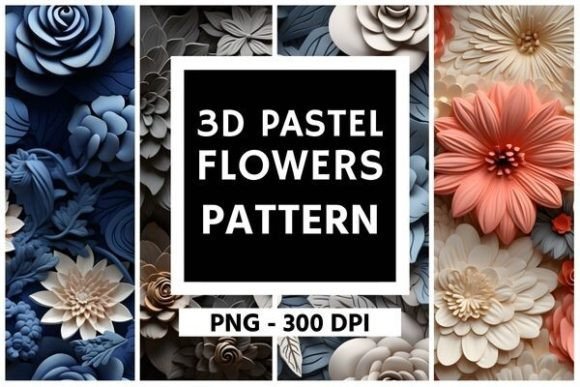
Enhancing Visual Harmony with 3D Pastel Flowers Pattern Background 02
In the realm of digital design, the choice of background is rarely just a matter of filling empty space; it is a foundational decision that sets the emotional tone for an entire project. As visual culture shifts towards softer, more immersive aesthetics, there is a growing demand for textures that offer depth without overwhelming the viewer. This is where the 3D Pastel Flowers Pattern Background 02 emerges as a significant asset. It represents a convergence of three-dimensional rendering technology and traditional floral motifs, creating a texture that feels both tactile and ethereal. For professionals ranging from graphic designers to event planners, understanding how to leverage this specific type of imagery can elevate the perceived value of their work.
The appeal of this pattern lies in its ability to bridge the gap between flat digital interfaces and tangible reality. By utilizing 3D rendering techniques, designers can simulate light, shadow, and material properties on flower petals, giving them a lifelike presence. When these elements are arranged in a repeating or semi-organic pattern using pastel color palettes, the result is a soothing visual experience. This article explores the characteristics, applications, and strategic advantages of incorporating such designs into various creative workflows.
The Anatomy of Soft Dimensional Design
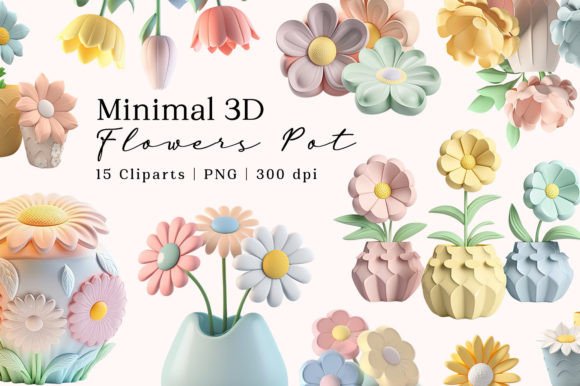
To fully appreciate the utility of 3D Pastel Flowers Pattern Background 02, one must first understand what distinguishes it from standard 2D floral illustrations. Traditional vector flowers often rely on solid colors and clean lines, which can sometimes appear rigid or dated depending on the context. In contrast, 3D-rendered elements introduce volume. They possess edges that catch light and surfaces that reflect ambient tones, creating a sense of physical space even on a two-dimensional screen.
The "pastel" aspect refers not only to the color spectrum but also to the psychological impact of those colors. Pastels—soft pinks, mint greens, lavender, and baby blues—are historically associated with calmness, nostalgia, and gentleness. When combined with the complexity of 3D modeling, these colors take on new vibrancy. The subtle gradients found in rendered petals allow for a richer visual texture than flat hex codes ever could. This combination creates a pattern that is visually engaging yet non-intrusive, making it ideal for backgrounds where text or primary content needs to remain legible.
- Depth and Realism: The use of shadows and highlights gives the flowers a sense of weight and position within the scene.
- Color Harmony: Pastel palettes naturally complement each other, reducing the cognitive load on the viewer and creating a pleasing aesthetic.
- Textural Variety: Even within a single pattern, the interplay of smooth petals and potentially rougher stems or leaves adds complexity.
Strategic Applications Across Industries
The versatility of this design element allows it to be deployed across a wide array of industries. Its effectiveness is not limited to a single niche but rather adapts to the specific needs of different sectors by altering scale, density, and accompanying typography.
Digital Marketing and Web Design
In the competitive landscape of web design, user retention is heavily influenced by the immediate visual impression a site makes. A landing page featuring 3D Pastel Flowers Pattern Background 02 can immediately signal a brand’s focus on wellness, beauty, or lifestyle products. Unlike stark white backgrounds that can feel clinical, or dark modes that may feel too aggressive for certain demographics, this pattern offers a welcoming entry point. It works particularly well for e-commerce sites selling skincare, organic foods, or artisanal goods. The key here is balance; the pattern should serve as a subtle backdrop, allowing product images to pop while maintaining a cohesive brand identity.
Event Planning and Stationery
For wedding planners, birthday organizers, and corporate event coordinators, the printed word and physical invitation carry significant weight. Digital proofs often lead the way, and having access to high-quality 3D assets ensures that the final print matches the digital preview perfectly. Using this floral pattern for save-the-dates, RSVP cards, or even table numbers adds a layer of sophistication. The 3D effect translates surprisingly well to print, especially when using textured paper stocks, creating a tactile experience that mirrors the visual depth seen on screen. This continuity between digital and physical touchpoints reinforces professionalism and attention to detail.
Educational and Child-Centric Content
Educators and creators of content for children often struggle to find visuals that are engaging without being overstimulating. Bright, neon colors can cause eye strain, while monochromatic schemes may fail to capture attention. 3D Pastel Flowers Pattern Background 02 strikes an optimal balance. The soft hues are easy on young eyes, while the dimensional quality of the flowers provides enough interest to hold a child’s curiosity. This makes it an excellent choice for educational worksheets, learning apps, and classroom decorations. The natural subject matter also lends itself well to lessons on botany, seasons, and art history.
Workflow Integration for Creative Professionals
Integrating a complex 3D pattern into a design workflow requires more than just dragging and dropping an image file. To maximize the potential of 3D Pastel Flowers Pattern Background 02, designers should consider several technical and artistic strategies.
First, consider the opacity and blending modes. Because 3D renders often have strong shadows, placing them directly behind dark text can reduce readability. Adjusting the opacity of the pattern layer or applying a slight blur can help integrate it more smoothly into the composition. Additionally, using blend modes like "Overlay" or "Soft Light" can help the pattern interact with underlying colors, creating a unified look rather than a layered one.
Secondly, scalability is crucial. While 3D assets are often provided in high resolution, they must be scaled appropriately to maintain their integrity. Zooming in too closely might reveal pixelation if the source file is not sufficiently detailed, while zooming out too much might cause the individual flowers to merge into an indistinct blob. Finding the right zoom level ensures that the viewer perceives the intended depth and detail.
- Layer Management: Keep the background pattern on a separate layer to allow for easy adjustments during the editing process.
- Contrast Check: Always test your foreground text against the background to ensure sufficient contrast ratios for accessibility standards.
- Consistency: If using the pattern across multiple pages or screens, ensure that the lighting direction and color grading remain consistent to avoid visual dissonance.
Psychological Impact and Brand Perception
Beyond the technical aspects, there is a profound psychological component to using pastel floral patterns. Color psychology suggests that pastels evoke feelings of spring, renewal, and tranquility. In a world that is increasingly fast-paced and digitally saturated, consumers are drawn to brands that promise a moment of pause and peace. By utilizing 3D Pastel Flowers Pattern Background 02, a brand aligns itself with these positive associations.
This alignment is particularly effective for businesses in the health and wellness sector. Yoga studios, meditation apps, and therapeutic practices can use this imagery to subconsciously communicate safety and comfort. Similarly, brands targeting millennials and Gen Z, who often value authenticity and aesthetic pleasure, respond well to the handcrafted feel of 3D renders, even though they are digitally created. It taps into the "cottagecore" and "soft life" trends that emphasize a return to nature and simplicity.
Considerations for Sustainable and Ethical Design
As the design community becomes more conscious of environmental and ethical impacts, the choice of digital assets also matters. Opting for high-quality, reusable 3D patterns reduces the need for excessive printing and physical waste in the prototyping phase. Furthermore, supporting artists who create these intricate 3D models contributes to the creative economy. When sourcing materials like 3D Pastel Flowers Pattern Background 02, it is beneficial to choose platforms that credit creators fairly and provide clear licensing terms.
Additionally, considering the accessibility of the design is paramount. While the aesthetic is beautiful, designers must ensure that the pattern does not hinder users with visual impairments. This involves testing the design under various conditions, including grayscale viewing, to ensure that the message remains clear regardless of how the user perceives the color and depth.
Conclusion: Elevating Creativity Through Detail
The integration of 3D Pastel Flowers Pattern Background 02 into design projects is more than a stylistic choice; it is a strategic tool for enhancing communication and emotional connection. By combining the calming influence of pastel colors with the sophisticated realism of 3D rendering, designers can create spaces that are both visually stunning and emotionally resonant. Whether used in digital marketing, physical stationery, or educational materials, this pattern offers a versatile solution for modern creative challenges. As we continue to explore the boundaries of digital artistry, tools that blend nature-inspired motifs with advanced technology will play an increasingly vital role in shaping the visual language of the future. Embracing these elements allows creators to produce work that is not only aesthetically pleasing but also deeply meaningful and functional.