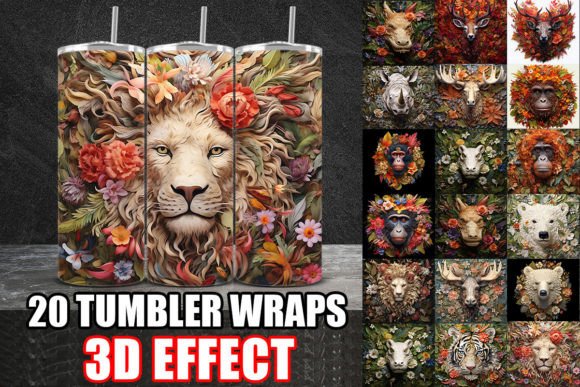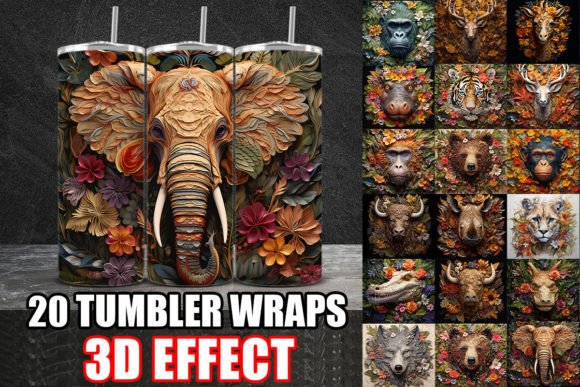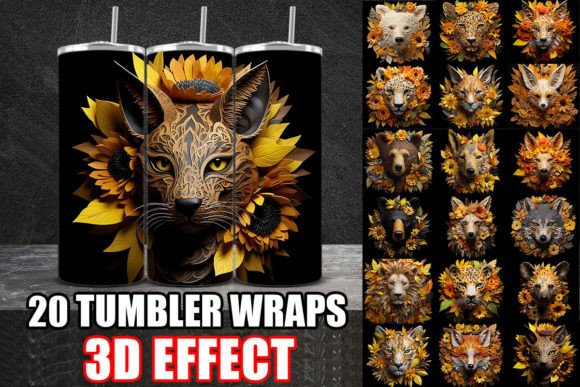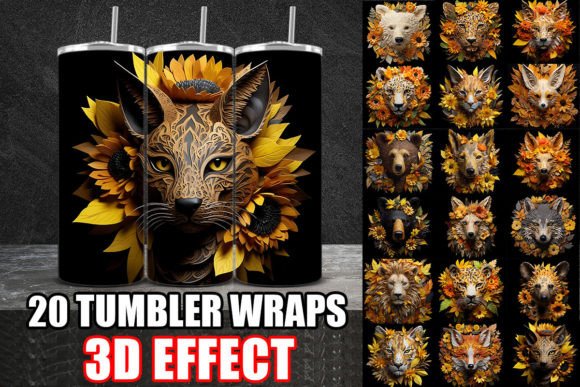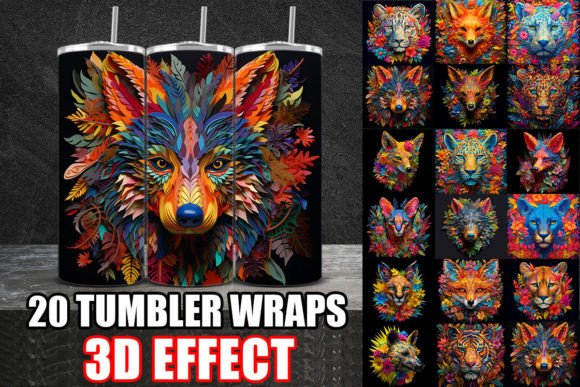
3D Papercut Wild Animals Tumbler Wrap
The intersection of digital design and physical craft has never been more vibrant. For creators, hobbyists, and small business owners alike, the demand for unique, high-quality visual assets is driving a shift toward intricate, layered aesthetics that mimic depth without requiring complex manufacturing processes. At the heart of this movement is the 3D Papercut Wild Animals Tumbler Wrap, a digital asset that bridges the gap between modern laser-cutting technology and traditional papercraft artistry. This specific design category offers more than just a decorative pattern; it provides a versatile toolkit for transforming plain objects into statement pieces through precision cutting and layering.
Understanding the mechanics behind these wraps requires looking beyond the final image. The "3D" effect in papercut designs is not achieved through shading or gradient coloring alone but through the strategic placement of multiple layers. Each layer represents a slice of depth, allowing light to cast subtle shadows that give the illusion of volume. When applied to a tumbler wrap—a cylindrical surface that often serves as a canvas for branding or personal expression—this technique turns a functional item into a piece of wearable or displayable art. The relevance of this format lies in its accessibility. Unlike molded plastics or expensive metal engravings, 3D papercut styles can be produced at home or in small batches using accessible tools like Cricut, Silhouette, or CO2 laser engravers.
The Evolution of Digital Craft Assets
The market for digital crafting files has evolved significantly over the last decade. What began as simple SVG cut files for basic shapes has matured into sophisticated multi-layered compositions capable of producing photorealistic or stylized three-dimensional effects. The 3D Papercut Wild Animals Tumbler Wrap fits squarely into this evolution. It reflects a growing consumer preference for nature-inspired themes combined with modern geometric precision. Wildlife motifs have long held appeal in interior design and fashion, symbolizing freedom, strength, and connection to the natural world. However, the traditional illustration style is being replaced by cleaner, more abstract representations that align with contemporary minimalist trends while retaining organic texture.
This shift is driven by several factors. First, the rise of the maker economy has empowered individuals to create professional-grade merchandise from their own homes. Second, social media platforms like Pinterest and Instagram have popularized the "aesthetic" look, where texture and depth are highly valued. Users are no longer satisfied with flat prints; they want tactile experiences. A tumbler wrapped in a 3D papercut design offers that tactile visual promise. Even if the material is vinyl or paper, the visual complexity suggests a higher level of craftsmanship, which adds perceived value to the product. This is particularly important for entrepreneurs selling on platforms like Etsy, where visual distinctiveness can be the deciding factor in a crowded marketplace.
Technical Specifications and File Integrity
For any digital asset to serve its purpose effectively, technical precision is paramount. When evaluating a 3D Papercut Wild Animals Tumbler Wrap, the file structure determines the ease of use and the quality of the final output. The standard expectation for professional-grade crafting files involves specific formatting requirements that ensure compatibility with various design software and cutting machines.
- File Format: The inclusion of a ZIP file containing PNG formats is a critical detail. PNG (Portable Network Graphics) supports transparency, which is essential for papercut designs. Unlike JPEGs, which add a white background that must be manually removed, PNGs allow each layer of the animal design to sit cleanly on top of one another without unwanted borders. This transparency ensures that when you arrange the layers in your design software, only the intended shapes are visible, preserving the integrity of the 3D effect.
- Resolution: A resolution of 300 DPI (dots per inch) is the industry standard for high-quality print and cut files. This density ensures that when the design is scaled up to fit the circumference of a standard 20oz or 30oz tumbler, the edges remain crisp and sharp. Low-resolution images result in pixelated edges, which ruin the illusion of precise cutting. For laser engraving or vinyl cutting, 300 DPI provides enough data points for the machine to follow the contours accurately, reducing errors and material waste.
- Scalability: Because the file is vector-compatible or high-resolution raster, it can be resized to suit various needs. Whether you are creating a wrap for a travel mug, a water bottle, or even a large-scale wall decal, the ability to scale without losing quality is vital. This flexibility allows creators to test different sizes before committing to production, optimizing material usage and cost.
Diverse Applications Beyond Tumblers
While the primary marketing angle often highlights tumbler wraps, the utility of the 3D Papercut Wild Animals Tumbler Wrap extends far beyond drinkware. The versatility of these designs makes them suitable for a wide array of creative projects, catering to different audiences and skill levels. Understanding these applications can help users maximize the value of their purchase.
- Laser Engraving: One of the most popular uses for 3D papercut designs is laser engraving on wood, acrylic, or leather. The layered nature of the design translates beautifully into engraved surfaces, where the depth is created by varying the power and speed of the laser. A wild animal motif, such as a wolf, lion, or bear, can be engraved onto a wooden plaque or a leather journal cover, creating a rustic yet sophisticated finish.
- Coloring Books and Printables: The intricate line work inherent in papercut designs makes them excellent candidates for adult coloring books. The detailed patterns provide a meditative coloring experience, appealing to adults seeking stress relief. Creators can convert these designs into black-and-white PDFs for sale as digital downloads, tapping into the massive market for printable activities.
- Scrapbooking and Card Making: Hobbyists in the paper crafting community constantly seek new elements to enhance their projects. These animal wraps can be printed on cardstock, cut out, and used as embellishments. The transparent background feature allows for easy integration into mixed-media layouts, where the animal might appear to emerge from behind other elements.
- Stickers and Merchandise: With the proliferation of sticker culture, especially among younger demographics, these designs can be printed on adhesive vinyl. They make attractive stickers for laptops, water bottles, and journals. Furthermore, the bold graphics translate well to screen printing on t-shirts, hoodies, and tote bags, offering a unique alternative to standard photographic prints.
- Logos and Branding: Small businesses looking for distinctive branding elements can adapt these animal motifs into logos. The 3D effect adds a premium feel to brand identity, suggesting attention to detail and quality. For example, an outdoor gear company might use a layered mountain lion design to convey agility and strength.
Practical Considerations for Creators
When incorporating the 3D Papercut Wild Animals Tumbler Wrap into your workflow, there are practical considerations that can impact the final result. One common issue arises from color variation. As noted in the product details, colors may vary between devices and printers. This is due to differences in monitor calibration, printer ink types, and lighting conditions during viewing. To mitigate this, creators should always perform a test print on the actual material they intend to use. If designing for print-on-demand services, rely on the service’s proofing system rather than your personal screen.
Another consideration is the complexity of assembly. A true 3D papercut design consists of many individual layers. Arranging these layers correctly is crucial for achieving the desired depth. Using design software like Adobe Illustrator or Inkscape allows for precise alignment. For those using cutting machines, organizing the layers into separate pages or sheets within the software streamlines the cutting process. It is also advisable to use a weeding tool or tweezers to handle delicate inner cuts, ensuring that fine details are not lost during the removal of excess material.
Material choice also plays a significant role. For tumblers, vinyl is the most durable option, resisting moisture and wear. However, for decorative purposes, cardstock or specialty papers like metallic or textured stock can enhance the visual appeal. The interplay of light on different materials can change how the 3D effect is perceived. Experimenting with materials can lead to unique results that differentiate your products from competitors who stick to standard supplies.
Conclusion
The 3D Papercut Wild Animals Tumbler Wrap represents more than just a trendy design file; it is a testament to the evolving capabilities of digital crafting. By combining high-resolution technical specifications with artistic depth, it empowers creators to produce professional-looking results across a variety of mediums. Whether you are a seasoned entrepreneur scaling a merchandise line or a hobbyist exploring new techniques, this asset offers both flexibility and aesthetic appeal. As the demand for personalized, handcrafted-style goods continues to grow, mastering tools like 3D papercut designs will remain a valuable skill in the creator’s arsenal. Embracing these resources allows for greater creative expression and meets the modern consumer’s desire for items that are not only functional but also visually engaging and meaningful.