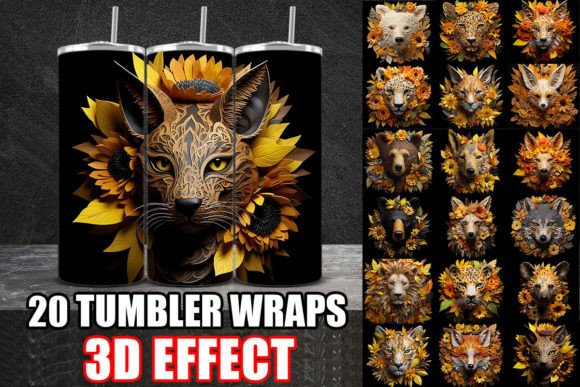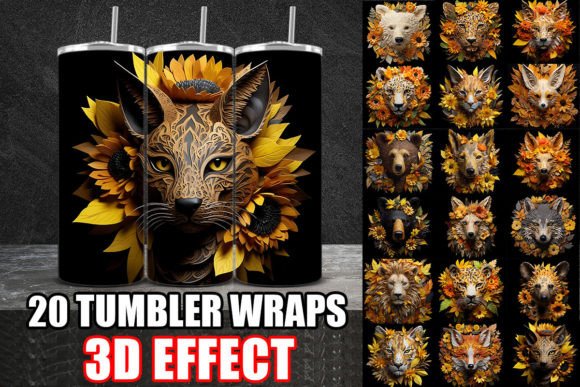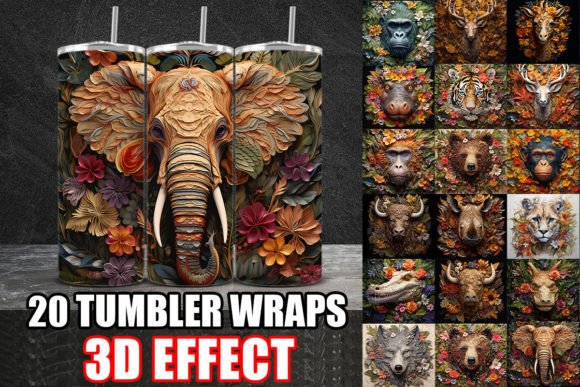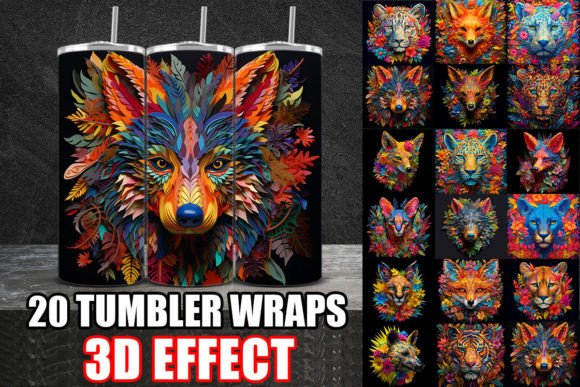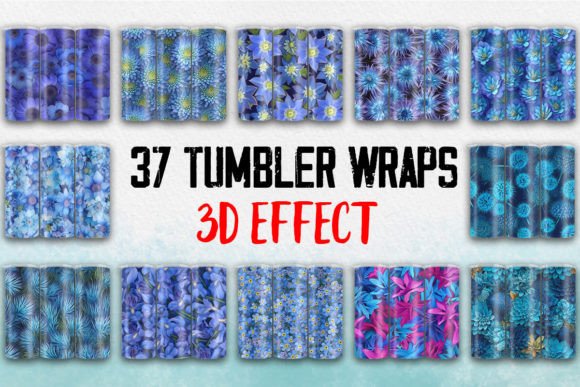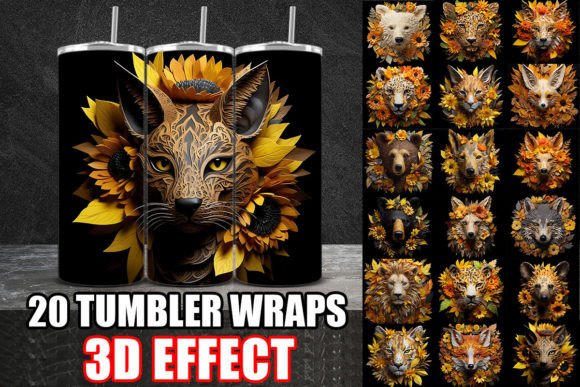
Evaluating 3D Flowers Papercut Tumbler Wrap Designs for Custom Projects
The market for customizable drinkware has expanded significantly, driven by the popularity of personalization in everyday items. Among the various design styles available, 3D Flowers Papercut Tumbler Wrap Designs have emerged as a distinct category that blends intricate visual depth with practical application. These designs are not merely decorative; they represent a specific technical approach to surface decoration that requires careful consideration regarding file formats, resolution, and intended use cases. For creators, crafters, and small business owners, understanding the nuances of these digital assets is essential before integrating them into production workflows.
This evaluation explores the characteristics of 3D papercut-style floral wraps, specifically focusing on the technical specifications often associated with high-quality digital downloads. By examining the attributes such as resolution, background transparency, and format versatility, we can determine where these designs fit within broader creative projects. The goal is to provide a clear, comparative analysis that helps users decide if this specific style aligns with their technical capabilities and aesthetic goals.
Understanding the Technical Specifications
When evaluating digital design assets, the first point of comparison is always the file structure. The standard offering for premium 3D papercut tumbler wraps typically includes a single ZIP file containing PNG images. This packaging method ensures that all components of the design remain organized and easily accessible. However, the true value lies in the internal properties of these PNG files.
Resolution and Clarity
A critical factor in any print-ready design is resolution. The specified resolution of 300 DPI (dots per inch) is the industry standard for high-quality printing. Unlike web-optimized images which often sit at 72 DPI, a 300 DPI file retains fine details even when scaled up. For a tumbler wrap, which involves wrapping a large surface area around a cylindrical object, maintaining sharp edges is vital. If the resolution were lower, the intricate cut-lines characteristic of papercut art would appear pixelated or blurry once printed on vinyl or cardstock.
Transparent Backgrounds
Another defining feature is the transparent background. In graphic design terms, this means the image contains no white or colored box behind the main subject. This is particularly important for tumbler wraps because it allows the design to overlay seamlessly onto the base color of the tumbler or other materials. Without transparency, users would be left with unsightly white borders that require manual editing to remove—a process that can degrade image quality if not done correctly. The inclusion of a transparent background directly reduces post-processing time, making these assets more efficient for bulk production.
Scalability and Resizing
The ability to resize without significant loss of quality is another advantage of vector-based thinking applied to raster formats like PNG. While PNG is a raster format, high-resolution sources allow for moderate resizing to suit different needs. Whether fitting a standard 20oz tumbler or a larger 30oz model, the design can be adjusted proportionally. This flexibility is a key decision factor for users who may own multiple sizes of drinkware or wish to adapt the design for smaller merchandise items.
Comparing Styles: 3D Papercut vs. Traditional Floral Prints
To understand the unique value proposition of 3D Flowers Papercut Tumbler Wrap Designs, it is helpful to compare them with other common floral design approaches found in the crafting community.
Traditional Vector Silhouettes
Traditional papercut designs often rely on solid black silhouettes or simple two-tone contrasts. While these are effective for laser cutting, they lack the depth and texture offered by 3D papercut styles. The 3D effect is achieved through layered shading, shadow effects, and overlapping elements that simulate physical depth. This makes the 3D variant more visually engaging on glossy surfaces like stainless steel tumblers, where light reflection plays a role in how the design is perceived.
Raster Photographs
In contrast to photorealistic floral prints, papercut designs offer a stylized, artistic interpretation. Photographic prints can sometimes look cluttered or overly busy when wrapped around a curved surface. The structured nature of papercut art provides a cleaner, more modern aesthetic. It bridges the gap between abstract art and realistic representation, appealing to audiences who prefer curated, designer looks over stock photography.
Hand-Drawn Illustrations
While hand-drawn illustrations offer uniqueness, they vary wildly in consistency. Digital 3D papercut designs provide a consistent, repeatable pattern. For businesses producing limited runs or custom orders, consistency is crucial. A digital asset ensures that every tumbler produced from the same file looks identical, whereas hand-drawn originals might introduce slight variations that could be seen as errors in mass production.
Versatility Across Multiple Project Types
One of the strongest arguments for acquiring these digital assets is their multi-purpose utility. Although marketed primarily as tumbler wraps, the underlying technology—high-resolution PNGs with transparent backgrounds—makes them suitable for a wide array of applications. This versatility increases the return on investment for the buyer.
- Laser Engraving and Cutting: The crisp lines of papercut designs translate well to laser machines. Users can import these PNGs into software like LightBurn or Cricut Design Space to cut intricate patterns from wood, acrylic, or leather. The 3D shading can be simulated through varying depths of cut or engraving intensity.
- Sticker Production: Die-cut stickers are a popular merchandising item. The transparent background allows for clean die-cuts around the flower shapes. Because the resolution is 300 DPI, the stickers will remain sharp and vibrant, avoiding the "fuzzy" look that plagues low-res sticker prints.
- Scrapbooking and Card Making: For paper crafters, these designs serve as high-quality digital stamps or embellishments. They can be printed on cardstock and physically cut out to create layered 3D cards, mimicking the digital depth in a tactile way.
- Apparel Printing: While less common for complex tumbler wraps due to cost, simplified versions of these designs can be used for screen printing or DTG (Direct-to-Garment) t-shirts. The bold outlines and clear separation of elements make them suitable for textile transfer.
Tradeoffs and Limitations
No product is without its drawbacks. When considering 3D Flowers Papercut Tumbler Wrap Designs, users must weigh several limitations against the benefits.
Color Variance
A frequent complaint in digital design purchases is color inconsistency. The note that "colors may vary between devices and printers" is not just a disclaimer; it is a technical reality. RGB colors displayed on monitors do not translate perfectly to CMYK inks used in printing. If a user requires exact brand-color matching, relying solely on these digital files may result in disappointment. It is advisable to print a test strip on the actual material before committing to a full run. This step is crucial for professional results but adds an extra layer of preparation for the user.
File Format Constraints
The reliance on PNG format is both a strength and a weakness. PNGs are excellent for transparency but are raster-based. This means they cannot be edited as vectors. If a user wants to change the shape of a petal or adjust the size of a specific element without losing quality, they cannot do so directly in the PNG file. They would need to trace the image into a vector program like Adobe Illustrator, which requires additional skill and time. Users seeking editable source files should verify if vector formats (like SVG or AI) are included, though many papercut artists sell only PNGs to protect their intellectual property.
Complexity in Application
For those new to tumbler wrapping, the complexity of a 3D design can be daunting. Applying a wrap with intricate details requires precision to avoid bubbles, misalignments, or tears. The design itself does not simplify the physical application process. Beginners might find simpler, bolder designs easier to work with initially.
Decision Factors: Who Should Choose This?
Determining whether 3D Flowers Papercut Tumbler Wrap Designs are the right choice depends on the user’s specific context.
Ideal Candidates:
- Small Business Owners: Those looking to add a premium, distinctive look to their drinkware inventory without hiring a custom illustrator.
- Hobbyist Crafters: Individuals who enjoy laser cutting or vinyl wrapping and want detailed, professional-looking templates.
- Gift Creators: People making personalized gifts for weddings, birthdays, or corporate events where a polished, cohesive aesthetic is desired.
Alternative Options:
If a user lacks access to high-resolution printers or laser cutters, these digital files may sit unused. Similarly, if the primary goal is rapid, low-cost production with minimal setup, simpler clip-art style graphics might be more efficient. Additionally, if the user prefers a minimalist aesthetic, the detailed nature of 3D papercut flowers might feel too busy.
Conclusion
3D Flowers Papercut Tumbler Wrap Designs offer a sophisticated solution for those seeking to elevate their custom drinkware and paper crafts. The combination of 300 DPI resolution, transparent backgrounds, and scalable PNG formats provides a robust foundation for various creative endeavors. While they require careful attention to color calibration and application technique, the resulting aesthetic depth sets them apart from standard flat designs. By understanding their strengths and limitations, users can make an informed decision that aligns with their technical skills and project goals.